Who was Camille de Renesse, the man with a revolutionary vision for Maloja?
History, Maloja, Camille de Renesse
Costanza
5/5/20253 min read
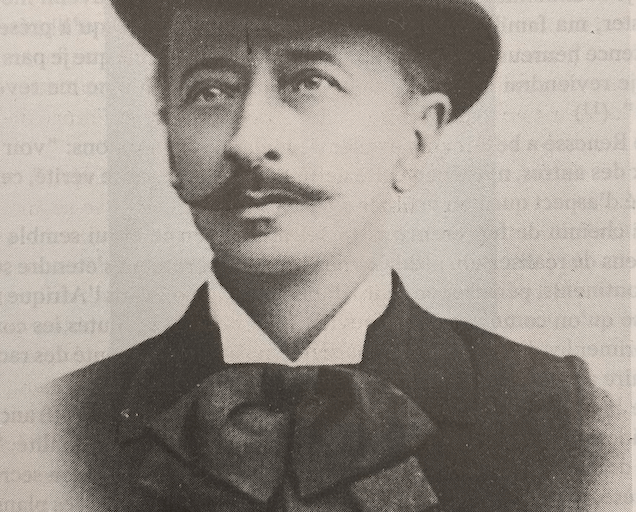
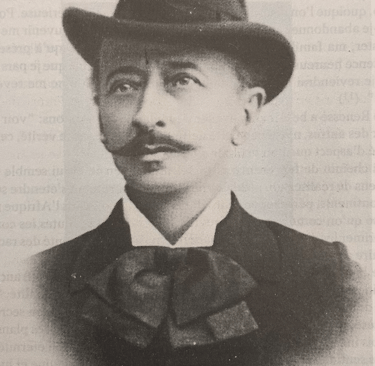
Let’s have an overview of the fascinating story and vision of Count Camille Maximilien Frédéric de Renesse-Breidbach, a Belgian nobleman with big and ambitious dreams. Born in Brussels on July 9, 1836, he came from a prestigious family of Dutch origin. He had an artistic personality and was known for being lively and full of ideas. He even had a streak of recklessness, always chasing new ventures and projects.
In 1868, he married Countess Malvina de Kerchhove de Deterghem, and they had two children, Adrien and Marguerite. Camille was an endless and adventurous dreamer, and in his notes from 1865, he expressed his desire to escape the mundane and explore the world.
By the 1880s, Camille was living in St. Moritz, where he started thinking of an ambitious plan: to build a luxurious hotel resort to attract Europe’s elite. While initially considering settings like Sils or St. Moritz, it was finally in Maloja that his dreams began to take shape.
He purchased land in a unique setting at the shore of Lake Sils. Between 1882 and 1884, he brought his vision to life, building the Hôtel Kursaal, which would later be known as the Maloja Palace. This hotel was an architectural marvel, one of the most ambitious in Europe, and at the time, it was the largest secular building in Switzerland.
Camille’s plans didn’t stop at just a hotel. He envisioned a whole spa town, complete with villas, hotels, restaurants, and a casino. He planned bath facilities for relaxation and wellness, as well as plenty of activities for the aristocracy, including the first European golf course, a riding arena, and a ferry to navigate Lake Sils.
The Hôtel Kursaal opened its doors on July 1, 1884, and aristocrats from around the world gathered for the grand opening. It was equipped with the latest luxuries, like lifts and air conditioning, and featured 300 rooms.
But despite all the grandeur, Camille’s project faced a series of setbacks. A cholera outbreak in nearby Italy led to the closing of Swiss borders, and guests were unable to reach the location. The Swiss government also banned gambling in the 1870s, something the Count did not take into account while developing his vision. On top of that, the hotel’s finances were unstable, and within just six months, Camille filed for bankruptcy. As if that were not enough, his wife, Countess Malvina, tragically passed away in 1884.
Count Camille de Renesse's ambition for Maloja extended significantly beyond the central Maloja Palace (Hôtel Kursaal de la Maloja), aiming to develop an “Alpine complex.”
As part of this broader project, Renesse oversaw the creation of numerous other structures and facilities. These included various wooden chalets and hotels intended for sale or rent. Among these was the Hotel Schweizerhaus, built in 1882 in the style of an alpine chalet by architect Alexander Kuon. This building incorporated parts of the "Osteria Vecchia" hall. Other residential properties developed as part of the scheme included Chalet Kuoni (now known as Casa Segantini), Villa Vedetta, and Villa Rosée.
The latter was constructed in 1883 as a holiday residence by Countess Rosinne von La Rosée on land she purchased from Count Renesse. This splendid, largely wooden chalet, except for its stone foundations, featured richly carved balconies and facade ornaments. Countess von La Rosée furnished the house with items in ebony or black lacquer, and the original state of the interior seems to have been preserved to this day.
High above Maloja, the Count also commissioned his private domicile, the Torre Belvedere. This was supposed to be a private castle, featuring battlements and towers, positioned directly on a rocky precipice overlooking the Bregaglia valley. The building was never finished, and only one tower still exists.
Though his vision didn’t fully come to life, Camille didn’t end his journey in despair. He moved to Nice, where he became a respected author, writing books about Christian philosophy and free thought.
Despite his financial struggles, Count Camille de Renesse’s story remains one of ambition, resilience, and the pursuit of an extraordinary dream.
Related Stories
Address
ENGADINWALKS.COM - GUIDED WALKS
Chesa Müstaila - Zuoz
Contacts
COSTANZA SAN MAURO
info@engadinwalks.com